Common Lighting Mistakes in Rental Apartments and How to Fix Them Without Wiring
Renters can't rewire anything, but dark corners, harsh overheads and badly placed switches are all fixable...

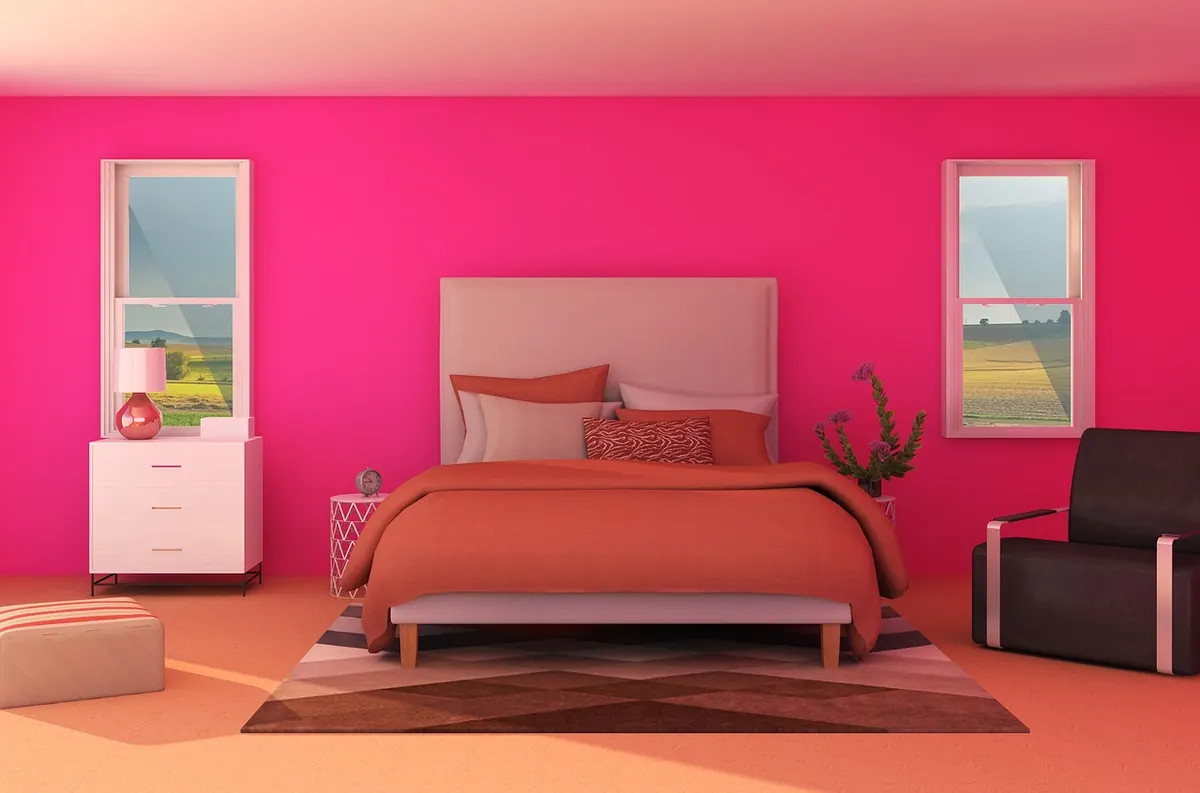
Most rug regrets are not about color or pattern. They are about size. A rug that is a foot too small makes a generous room feel cramped, while one that creeps to the baseboards can make good furniture look like it's floating on a carpet remnant. The fix is unglamorous: measure the furniture, not just the floor.
Below are the dimensions that work in real rooms, plus the placement rules that decide whether a rug looks intentional or improvised. Bring a tape measure and a roll of painter's tape.
Two rules solve most sizing questions before you ever get to a specific room.
The legs rule: in a seating or bedroom area, at least the front legs of every major piece should sit on the rug. If a sofa's front legs are on the rug and its back legs are on bare floor, that looks deliberate. If only the coffee table is on the rug, it looks like a bath mat that wandered in.
The 24-inch rule: around a dining table, the rug should extend about 24 inches beyond each edge. Eighteen inches is the bare minimum when the room is tight. That distance is the room a chair needs to slide back without dropping a rear leg off the edge and tipping your guest sideways.
One more thing before you order: add a rug pad. It adds a little thickness, stops corners from curling, and keeps the rug from creeping. A pad cut about an inch smaller than the rug all around stays hidden.
A queen mattress is 60 inches wide and 80 inches long. The rug should extend roughly 18 to 24 inches beyond the sides and the foot of the bed, which puts you at a minimum of about 8 feet wide and 10 feet long.
An 8x10 rug (96 by 120 inches) is the standard answer. Centered on the bed, it leaves about 18 inches of rug on each side of the mattress and enough length to run under the bottom two-thirds of the bed. A 9x12 (108 by 144 inches) gives you closer to 24 inches per side and room for nightstands to sit fully or partly on the rug. In a large primary bedroom, 9x12 or 10x14 reads calm rather than skimpy.
Position matters as much as size. Slide the rug so its top edge falls roughly even with the front of the nightstands, or a few inches past them toward the foot of the bed. The head of the bed and the floor behind it often look better left bare—it keeps the rug from fighting the headboard.
A 6x9 can work when the bed is pushed into a corner, especially in a guest room or a kid's room where the rug is mostly a soft landing spot. A 5x8 under a queen placed in the middle of a room is almost always too narrow—it stops short of both sides and looks like a runner that lost its way.
Measure the table, then add 48 inches to both the width and the length. That total is your minimum rug size.
Match the shape: rectangular rug under a rectangular table, round rug under a round one. A round table on a rectangular rug is workable but fussier to center. Square tables take a square or round rug.
Choose a low-pile or flatweave rug here. Chairs slide across it, legs don't catch in loops, and dropped food comes up more easily. Leave at least a few inches between the rug edge and the walls, and make sure the rug doesn't block a doorway or cover a floor vent.
Measure your sofa first. Then decide how much of the seating group you want on the rug—that choice sets the size.
The most polished look, and the one that eats the most floor. Everything—sofa, coffee table, armchairs, side tables—sits fully on the rug with a border of bare floor around it. For an 84 inch sofa with two chairs opposite, that usually means 9x12. This arrangement suits a large living room or an open plan where the rug is defining the seating zone.
The most forgiving option, and the one most rooms can actually accommodate. The rug runs under the front 6 to 8 inches of the sofa, past the coffee table, and out to catch the front legs of any chairs. An 8x10 handles a standard sofa of 84 inches or less; go to a 9x12 for a sectional or a long sofa.
Two proportions matter here. The rug should be at least as long as the sofa, ideally a bit longer—if the sofa overhangs the rug on both ends, it looks like it's wearing a jacket that's too small. And you want roughly 12 to 18 inches of visible floor between the rug edge and the walls. When the rug nearly touches the walls, the room reads as wall-to-wall carpet and the border effect disappears.
A small rug floating in front of the sofa works in narrow rooms and reading nooks, but it takes confidence to pull off. It reads best with a low bench or a pair of light chairs nearby, and it should still be wide enough to sit under the coffee table.
Painter's tape is your cheapest mistake-preventer. Mark the full rectangle on the floor and live with it for a day. Walk the path from the doorway to the sofa, pull a dining chair out as far as it goes, open the closet doors. If the tape line crosses a vent, traps a door swing, or leaves a strip of floor so thin it looks accidental, adjust the rectangle before you order.
Then check the details: upholstery color reads differently against a large rug than a small one, and pattern repeats can shift the look at scale. Confirm the return policy before checkout. Oversized rugs are expensive and awkward to ship back.
Stand in the doorway and squint. The rug should look like it belongs to the furniture, not to the room alone—gathering the bed, the table, or the sofa into one clear group with a purposeful border of floor around it. If chairs slide, feet land softly, and nothing tips, you've got the size right. Everything after that is just decorating.
Photo: RaniRamli / Pixabay
Renters can't rewire anything, but dark corners, harsh overheads and badly placed switches are all fixable...
Twelve space-saving furniture pieces that work twice as hard in a small apartment, plus the measurements...
A practical beginner's guide to floating shelves: picking the right bracket, locating studs, choosing...