Common Lighting Mistakes in Rental Apartments and How to Fix Them Without Wiring
Renters can't rewire anything, but dark corners, harsh overheads and badly placed switches are all fixable...

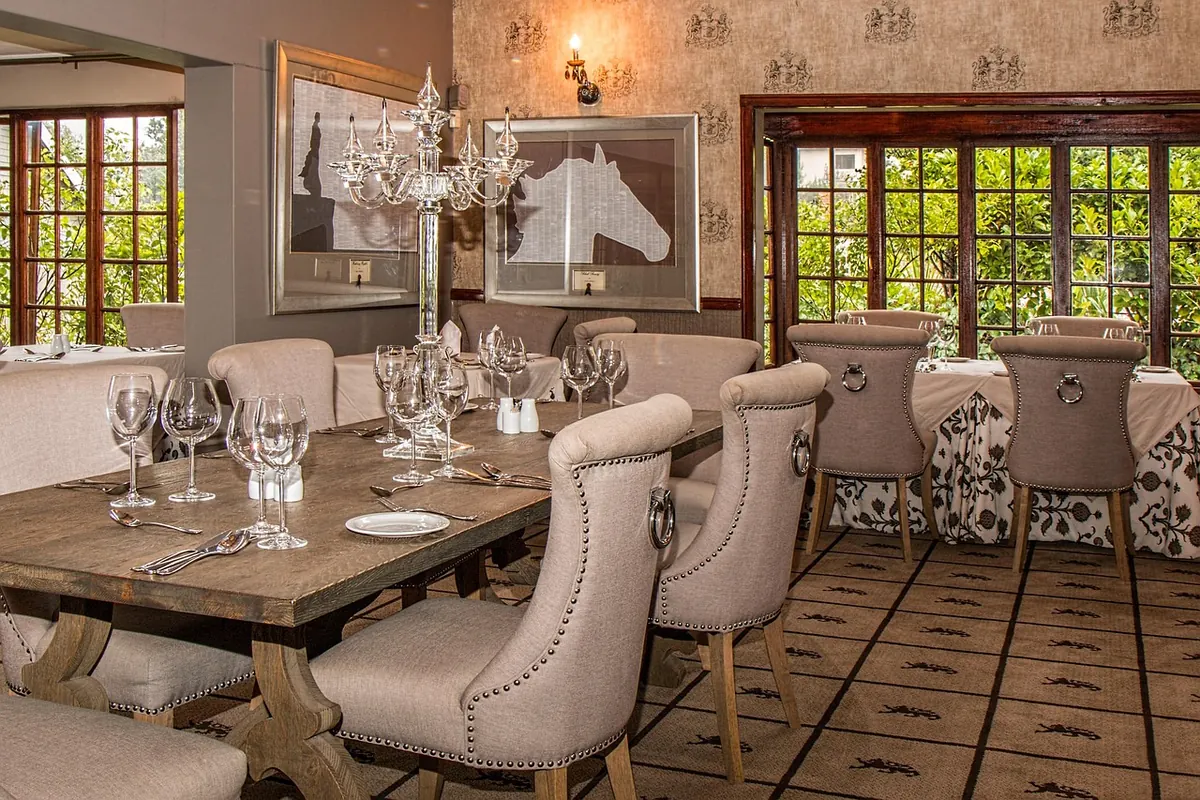
A dining table is one of the few pieces of furniture that comes with a number already attached: how many people you want around it. That number sets the size, the size limits the shapes that will fit, and the shape narrows your shortlist of materials. Work through those three in order and the decision becomes much calmer. Skip a step — buy a handsome six-seater for a room that really holds four — and you'll spend years edging past it with a stack of plates.
Allow roughly 60 cm (24 in) of table edge per person. That's a dinner plate plus elbow room. Children can manage 45–50 cm, and you can stretch to 70–75 cm at the head of a table if you want to feel grand about it. As a rough guide:
Buy for the number you seat most weeks, not your once-a-year maximum. A bench on one side squeezes in an extra person without adding a chair, and an extendable table handles the holidays if you have somewhere to store the leaf. If your space is genuinely tight, a drop-leaf table folds to a console and opens for dinner — one of the few pieces that earns its footprint twice.
Fits against walls, seats the most people per square metre, and extends easily. The trade-off is corners you can't use and distance: at a 240 cm table, the person at the far end is out of the conversation.
Sociable for four, tidy in a corner, common in apartments. It doesn't extend well, and a square table set for two can feel oddly formal.
The best shape for talking, because every seat is roughly the same distance from the middle. No corners means easier movement in a small room. Reach becomes the issue as it grows — around 150 cm, passing the salt stops being casual.
Sits like a rectangle, flows like a round. Usually pricier and less common at entry-level budgets, but it solves the corner problem on longer tables.
For a first table, a mid-tone veneer or a sealed wood top is the forgiving choice. Dark high-gloss shows every crumb; very pale finishes show every ring mark.
The table itself is only half the measurement. You need 90 cm (36 in) between the table edge and the nearest wall or solid furniture so a chair pulls out and someone can slip behind it. If people will walk past seated diners, go to 100–110 cm. For rugs, extend about 60 cm beyond the table edge so chair legs stay on the rug when pushed back.
Then do the cheap test: tape the table's footprint on the floor and live with it for a day. Check the doorways, stairs, and lift on the delivery route, and note whether the legs come off — the tabletop width is usually what gets stuck.
Look up, too. A pendant or chandelier should sit over the centre of the table. On an extending table, the light will be off-centre when the leaf goes in, which bothers some people more than others.
Four legs are sturdy and simple, but a corner leg can fight with chair placement. A pedestal base gives more knee room, suits round and square tops, and is a good pick for small rooms. Trestle bases seat plenty along the long sides — check the legroom at the ends before you commit.
If you'll extend the table more than a few times a year, a self-storing butterfly leaf is worth the extra cost; a loose leaf needs closet space you may not have. On any extending table, run a fingernail across the seam. If it catches, crumbs will live there.
On finish: oiled and matte surfaces hide scratches but want occasional re-oiling. Lacquer and polyurethane resist spills better but show scratches as pale lines. Run a hand across the surface — a slight texture forgives daily life far more than a mirror-smooth top.
A first dining table doesn't have to be the last one. Get the seating number and the material right, keep the measurements in your phone, and the table will quietly do its job for years while you worry about more interesting things.
Photo: stevepb / Pixabay
Renters can't rewire anything, but dark corners, harsh overheads and badly placed switches are all fixable...
Twelve space-saving furniture pieces that work twice as hard in a small apartment, plus the measurements...
A practical beginner's guide to floating shelves: picking the right bracket, locating studs, choosing...